Introduction: This article focuses on "SEO Perspective: Analysis of Hong Kong Server Cluster IDC Impact and Load Balancing Strategies," exploring the effects of deploying server clusters in Hong Kong's IDC environment on search engine rankings and regional traffic, while proposing performance-optimized and compliance-oriented load balancing approaches to help website administrators enhance GEO-based search results and user access experience.
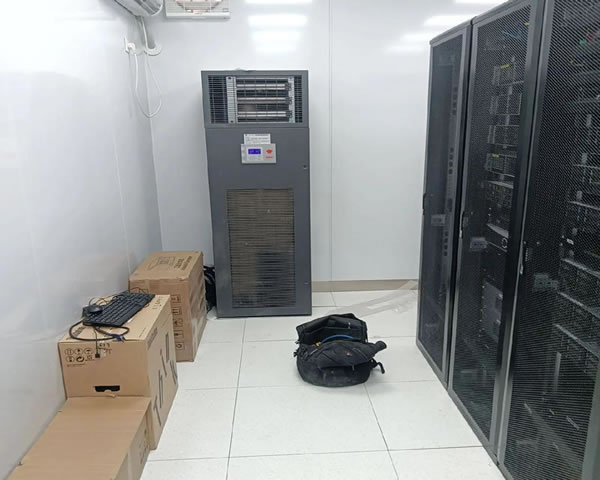
The physical location of the Hong Kong IDC ensures low-latency access for Chinese-speaking users and those in the Asia-Pacific region, while also providing regional information to search engines. The site is hosted in a Hong Kong data center, which benefits keyword relevance and user experience for Hong Kong or surrounding regions. However, optimization should combine multiple signals such as domain, language, content, and hreflang, avoiding misjudgment from over-reliance on hosting location alone.
The site cluster often uses a multiple IP strategy to diversify risks and improve inclusion, but attention should be paid to the "footprint" of the IP pool in SEO. IP ranges assigned by IDC, as well as a large number of sites with similar content located in the same data center, increase the risk of being identified by algorithms as being network-related. It is recommended to allocate IP addresses reasonably, control the degree of content similarity, and keep records of operational changes for review purposes.
Server response time directly affects both the user experience and the efficiency of web scraping. The direct connections and high-quality bandwidth provided by Hong Kong IDCs can reduce TTFB and page loading times, thereby increasing the frequency of crawlers and enhancing user engagement. Proper caching, compressing resources, and enabling HTTP/2 can further enhance SEO performance and reduce the cost of data scraping.
By distributing static resources and edge caching through CDN and Anycast, the geographic advantages of the Hong Kong server cluster can be extended to a broader user base, reducing the pressure on the origin server and improving availability. Note that the geographic distribution of CDN edge nodes affects GEO signals and should be configured consistently with the site's positioning strategy.
DNS is the first layer of load balancing for directing global or regional traffic. GeoDNS can perform proximity-based routing based on the source IP address of the request. Combined with TTL adjustments and health checks, it enables rapid node switching in the event of a failure at the Hong Kong IDC. An excessively short TTL will increase the burden on resolution processes, so it must be set within a controllable range.
Hardware-based load balancing provides stable linear-speed forwarding and DDoS protection, while software-based load balancing solutions (such as Nginx/HAProxy) are flexible, easy to orchestrate, and simple to automate. For Hong Kong server clusters, a common approach is to use CDN + GeoDNS for edge distribution, while employing software load balancers at the origin site combined with cloud or data center resources to achieve a balance between cost and performance.
E-commerce platforms or services that require session persistence must implement session affinity or distributed session storage to prevent a decline in user experience due to load balancing switches. Placing SSL termination at the edge or in the load balancing layer can reduce the load on the origin server, but it is essential to ensure proper certificate management and secure connections to avoid impacting search engine indexing and user trust.
A comprehensive monitoring system includes metrics for availability, latency, error rate, and bandwidth utilization. By combining proactive health checks with automatic scaling mechanisms, traffic can be automatically rerouted or instances scaled up when anomalies occur in Hong Kong IDC. Logs and alerts should be recorded to provide a chain of evidence for SEO problem diagnosis, enabling quick identification of technical issues affecting rankings.
Hong Kong has its own regulations regarding data compliance and cross-border supervision; website cluster operations must pay attention to data privacy, content compliance, and contractual terms with local service providers. Avoid using gray links or hidden redirects, and ensure comprehensive logging and backup strategies to reduce the risk of penalties from search engines or impact from local regulations.
Adhere to a content strategy that emphasizes high quality and uniqueness. Use robots.txt, canonical tags, and hreflang tags appropriately to clarify the structure of your website, and avoid creating a large number of template-based pages or hidden redirects. Maintaining transparency in outbound linking and traffic acquisition strategies, leveraging the geographical advantages of Hong Kong IDC for natural GEO positioning, and reducing the probability of algorithmic association.
Summary: From an SEO perspective… Hong Kong Station Group In “Analysis of Server IDC Impact and Load Balancing Strategies,” selecting a Hong Kong-based IDC appropriately, combining CDN/GeoDNS with both software and hardware load balancing solutions, ensuring proper SSL implementation and monitoring, and strictly adhering to compliance and content guidelines are all crucial factors in balancing both rankings and availability. It is recommended to design a multi-layer load balancing system based on regional traffic and business needs, regularly assess IP footprints and their association with website clusters, and prioritize optimizing SEO performance with user experience as the core focus.
- Latest articles
- will american vps become slower the more you use them? analysis of the difference between users competing for resources in the same computer room
- recommended establishment of korean group station ip monitoring and alarm system and automated processing procedures
- practical guide on how to log in to the singapore server for international servers with low latency settings
- step by step instructions on how to build the game's native korean exclusive ip, including software and routing configuration
- how to interpret malaysian vps evaluation results to provide scientific basis for your purchase
- analysis of hong kong site group marketing characteristics and content localization methods based on user portraits
- Free WiFi in Hong Kong data center: The impact of providing free WiFi on data center brand and service
- Hong Kong Cluster Server from an SEO Perspective: IDC Impact Analysis and Load Balancing Strategies
- Practical table for corporate budget planning supports cost forecasting for US server hosting and rental
- Popular tags
-

A Guide to Configuring Native IP for Alibaba Cloud Hong Kong Cloud Server
This guide provides a detailed introduction to the configuration process of native IP addresses for Alibaba Cloud Hong Kong cloud servers, helping users quickly configure and manage their cloud servers. -

is the registration-free hong kong server really useful?
explore whether registration-free hong kong servers are really useful, analyze their advantages and disadvantages, and help you make a wise choice. -

discuss the space demand and market prospects of hong kong telecommunications equipment rooms
this article discusses the space demand and market prospects of hong kong telecommunications equipment rooms, and analyzes the current market dynamics and future development trends.